The Science of Randomness: From Slot Game Online to Classroom Games
Randomness shows up in everyday life more often than people notice. It lives in weather forecasts, traffic timing, and even which post appears next in a feed. It also appears in entertainment and learning. A late-night search for a slot game online and a dice activity in a classroom can be connected by the same idea: outcomes can be fair and unpredictable at the same time.
What Randomness Really Means (and What It Doesn’t)
Randomness does not mean “chaos.” It means outcomes cannot be reliably predicted in the short run, even when rules are consistent. A coin flip is the classic example. Each flip has the same odds, regardless of what happened before.
That point matters because people often treat independent events as if they carry momentum. A streak of heads can feel like it must be followed by tails. In reality, the next flip does not “remember” the last one. Independence is the key. If each event starts fresh, then no outcome is “owed.”
Probability also works differently than many expect. A 50 percent chance does not mean outcomes alternate evenly. It means that over a large number of trials, the overall balance tends to move toward half. Short stretches can still look lopsided. In fact, lopsided stretches are normal in random sequences.
This is where predictability gets confused with fairness. A system can be fair and still produce surprising results. That is not a flaw. It is the nature of chance.
The Brain’s Pattern Machine: Common Randomness Illusions
Human brains are built to detect patterns. This is a survival feature. It helps people learn quickly and avoid danger. It also creates mental “glitches” around randomness.
One common illusion is the gambler’s fallacy, the feeling that an outcome is “due.” After a series of losses, the mind expects the next result to correct the imbalance. That expectation is emotional, not statistical. Independent events do not balance themselves on schedule.
Another illusion is the near-miss effect. An outcome that feels close to success can trigger motivation as if progress happened, even when the rules treat it the same as any other loss. Near misses can feel like a signal. They are often just a coincidence that looks meaningful.
A third illusion is the clustering illusion. People expect randomness to look evenly spread. Real randomness often looks messy. It can produce clusters, repeats, and droughts. When clusters appear, people assume a cause exists. Many times, it is simply normal variation.
Learning these illusions is empowering. It turns “why did that happen” frustration into “this is how chance behaves” clarity.
How Randomness Shows Up in Digital Games and Slots
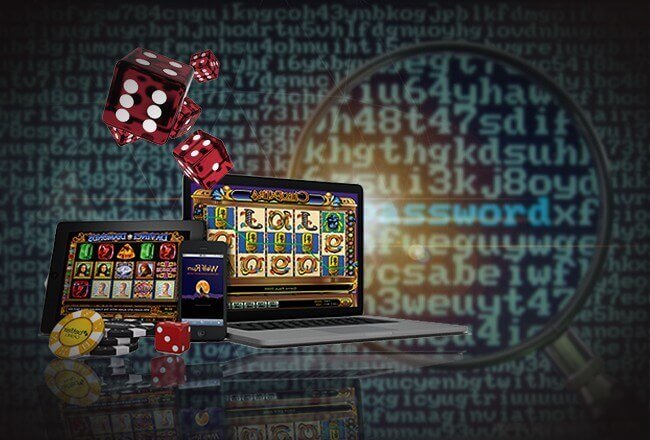
Digital games often use random number generation to produce unpredictable outcomes. That does not automatically mean “rigged” or “unfair.” It means outcomes are computed through a system designed to be unpredictable. The quality of the experience depends on transparency, responsible design, and user boundaries.
For entertainment platforms such as Slot-Desi, randomness is part of the appeal. It keeps sessions from feeling repetitive. It can also create strong emotions, especially when a player experiences a streak or a near miss. That is why highlight clips can be misleading. Social video edits show peaks, not the full distribution of outcomes. They compress hours of ordinary results into seconds of excitement.
Another factor is volatility, which describes how outcomes vary. Some games deliver smaller, more frequent returns. Others are quieter and then spike. Two sessions in the same game can feel entirely different. That difference is not always a signal. Often, it is variance in action.
Randomness literacy helps here. It encourages viewing a session as entertainment with uncertain results, not as a story where the ending is being “built” by previous spins.
Classroom Games That Teach Randomness Better Than Lectures
Classroom activities can make randomness visible. They turn vague ideas into data, and data is easier to trust than instinct.
Coin flips and dice rolls work well because the rules are obvious. Students can record results across the room and combine them. Patterns will appear, including streaks and clusters. That is the lesson. Randomness looks uneven up close.
Card-draw activities also teach sampling. Drawing a small number of cards from a deck can produce a misleading picture of the whole. That idea connects to real life, from surveys to news headlines. Bigger samples usually create more stable conclusions.
Group activities add a social benefit. Students see that different groups can get different results using the same rules. That reinforces the difference between a local streak and a general probability.
A classroom can also simulate “near-miss” reactions. If a game rewards points for landing close to a target, students can observe how “almost” changes emotion, even when it does not change the score in a meaningful way.
A Better Relationship With Chance
Randomness is not an enemy. It is a feature of many systems, including learning, games, and real-world decisions. The goal is not to eliminate surprise. The goal is to interpret surprise correctly.
A healthy approach starts with a few habits
- Treat streaks as short-run noise until enough data exists.
- Resist “due” thinking. Independence means the next event starts fresh.
- Be cautious with highlight content. Viral clips are not a probability lesson.
- When money is involved, set limits before play begins.
- In class, focus on recording data and comparing samples, not guessing narratives.
These habits build confidence. Students gain a clearer view of probability. Adults gain a steadier mindset around chance-based entertainment. And everyone benefits from a more grounded understanding of what randomness truly looks like in the real world.
Stay in touch to get more updates & news on Eshikshakosh!